🔥 História

Renascido no Ano da Fome Antiga: Começando a se Esconder nas Montanhas Profundas para Caçar
O especialista máximo em sobrevivência na natureza desperta ...


Minha pequena loja conecta o antigo e o moderno, eu ajudo a imperatriz a unificar o mundo.
Três anos atrás, Chu Nan descobriu que podia viajar através ...

O Príncipe do Mundo Diferente: O Caminho Heroico para a Dominação
Esta é uma dinastia fictícia, chamada Dinastia Qian Yuan, qu...

Após Casamento por Substituição na Família Nobre, Ela Morre e Escapa
【Enredo do Texto Já Chegou!!】【Príncipe Frio Perseguindo Espo...


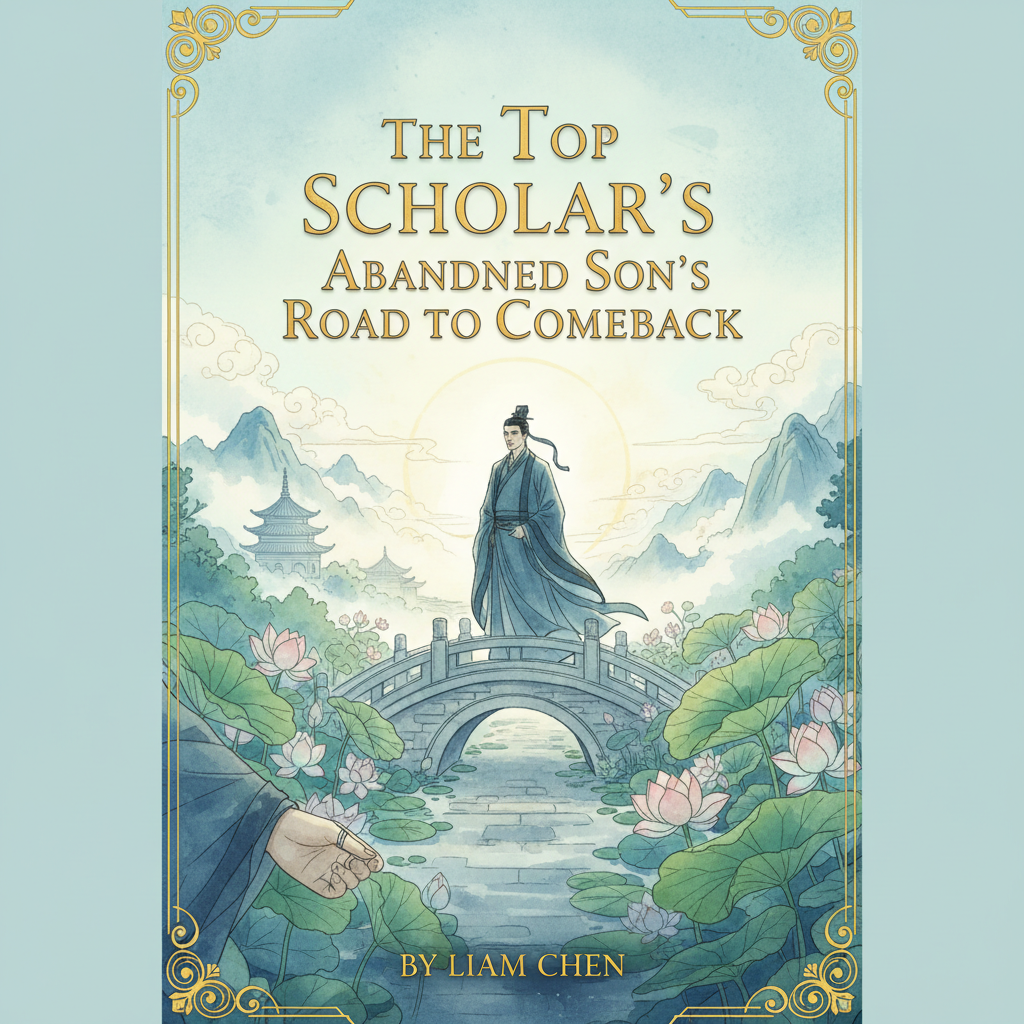
The Top Scholar's Abandoned Son's Road to Comeback
Yu Shensi was transmigrated into the body of a wealthy young...
📚 Hot Recommendations
Renascido no Ano da Fome Antiga: Começando a se Esconder nas Montanhas Profundas para Caçar
O especialista máximo em sobrevivência na natureza desperta como alma em Daqing, tornando-se um vilarejo pequeno e inútil filho de família. Na abertura, congela até a morte no pé da montanha, ao voltar para casa sua filha é vendida, o primeiro coelho caçado de volta para casa é envenenado pela esposa, e ele quer ir ao reino dos mortos junto com a filha desgraçada. Su Yanwen é absolutamente necessário proteger esta casa, criando a filha com as próprias mãos. A madrasta venenosa, o pai autoritário, os meio-irmãos postiços sem coração... o terror da natureza humana se revela neles. Após um incêndio, a família inteira perde o único abrigo na catástrofe de neve. Por isso, levando a esposa e a filha, entra diretamente nas montanhas profundas. A grande montanha coberta de neve branca, no fundo da montanha cheia de cores lendárias, Su Yanwen vê de verdade ursos negros, tigres, raposas, veados, capríolos, coelhos de neve... inúmeros pratos deliciosos da montanha estão nas profundezas das montanhas. Com uma faca de caça, abre o caminho para a caça superior....
Fulu
【Texto principal completo】[Não atualizado após as 22h, basicamente nada no dia.] Resumo: Quarto ano de Ningxi, mudança na sede feudal, exército rebelde marchando para o norte. O jovem imperador, apenas com a idade de receber o capuz (maior de idade), está preso, enfrentando as feras de todos os lados que conspiram, ele se viu obrigado a trazer de volta sua irmã mais velha, a princesa de Yongning, que havia sido expulsa da capital há três anos por discordância de política: “Agora as forças no palácio estão fragmentadas, só a aliança com os Pei pode trazer um respiro… Ouvi dizer que a irmã mais velha e Pei Shao tiveram um passado amoroso? E também ouvi que ele ainda não tem ninguém ao lado, porque ainda não consegue esquecer a irmã mais velha?” “…… Hm.” Olhando para os olhos cheios de esperança do jovem imperador, a princesa realmente não teve o coração para apagar seu entusiasmo. Ela e Pei Shao, de fato, tiveram um passado. Mas provavelmente não se parece muito com a versão de amor profundo e meloso da lenda. A verdade é que no início, quando o novo imperador ascendeu e a política estava em caos, para estabilizar a situação ela não se importou com os meios e fez uma armação completa para enganar o corpo e a alma de Pei Shao, que ainda era puro. O jovem pagou com todo o seu coração, e de repente sua personalidade mudou, e agora — no dia em que a princesa chegou à capital em sua carruagem, ele, de longe abaixo do portão da cidade, disse claramente “Cuidado com a princesa imperial”, o que basta para dar arrepios na espinha. Ai, olha. Esse cara ainda guarda rancor. Cena do teatro pequeno: A princesa voltou à capital. Os servos próximos da mansão Pei estavam como em alerta máximo, “Esta mulher tem poder de sedução, costuma encantar corações, senhor da casa não pode esquecer a vergonha do dia!” Pei Shao puxou os lábios: “É o que você diz?” Então no início, a antiga doença da princesa voltou, dor de estômago insuportável; Pei Shao procurou médicos e remédios com grande atenção. Servo próximo: Certo, ele deve estar tentando usar isso para envenenar a princesa! Depois, a princesa tinha muitos inimigos, de repente encontrou assassinos que quase a mataram; Pei Shao protegia a princesa com o coração partido, sem se importar com o risco. Servo próximo: Plano de carne e osso! Ele definitivamente tem um plano de vingança detalhado! E depois, a princesa ficou descontente, o senhor da casa a consolava, a princesa queria estrelas mas não dava lua, a princesa apontava onde batia. Servo próximo: Ele deve ter… ele deve ter esquecido! (Suspiro de remorso — A ambiciosa e seus servos sob sua saia — Uma história de duas vezes — [Ele quer ser o escudo dela, e também quer ser a faca na mão dela] Deixe um livro para pré-venda “Fúria da Primavera” — A luz branca de toda Chang’an ele voltou. Todos sabiam que a princesa Sheng’an era majestosa, nobre, graciosa, e mesmo assim o boato de sua beleza a seguia, ninguém ousava tratá-la com respeito. Diz a lenda que a princesa tem um amor branco morto no coração, que é o filho adotivo do ex-tutor que havia sido notável na época, Xie Linzhou. O jovem era como brisa e lua, talento extraordinário, um dia nomeado em toda Chang’an. Infelizmente, de repente caiu em desvio, terminando com fama ruim e morto na prisão. E desde que ele morreu, todas as pessoas que tinham três pontos em comum em aparência e comportamento com ele eram recolhidas na mansão, tornando-se os favoritos da princesa. Por três anos, os favoritos da princesa Sheng’an eram absurdamente muitos. Mas também ouvia que a princesa era cruel, ninguém podia obter felicidade duradoura. O jovem da casa Shen, personalidade solta, sem aprendizado, passava o dia pendurado, causando problemas, era um dos mais extravagantes da cidade de Yangzhou, um dia acompanhou o pai para o palácio, causando grande onda. A razão é simples: este jovem senhor Shen tinha um rosto que se parecia em nove décimos com aquele amor branco, faltando apenas aquela parte, só na aura. Olhando apenas para o rosto, era quase nível de falsificação perfeita. Sheng’an soube da notícia, a princesa fria e solitária veio, na frente de todas as pessoas, chorou como uma criança. E na frente de todos os olhares, o obrigou a se tornar seu favorito. # Usando-se como substituto #.
Minha pequena loja conecta o antigo e o moderno, eu ajudo a imperatriz a unificar o mundo.
Três anos atrás, Chu Nan descobriu que podia viajar através do tempo a partir de uma pequena loja de conveniências para a antiga dinastia da Grande Desolação. Durante os três anos, ele trouxe da era moderna inúmeras provisões, ajudando a mulher que estava morrendo de fome na época a conquistar os quatro cantos do reino. Quem diria que três anos depois, a mulher se tornara a generala que pacifica o reino e virara as costas, não o reconhecendo mais. Não só queria cancelar o noivado, mas também queria matar Chu Nan, que a ajudara de forma desinteressada. Que bom que a imperatriz da Grande Desolação veio! Sem o general ingrato, mas agora com uma imperatriz que se apaixonara por ele! Quando a rebelião do general falhou, ele correu para ajoelhar-se e implorar a Chu Nan. Chu Nan: ‘Fora!’.
O Príncipe do Mundo Diferente: O Caminho Heroico para a Dominação
Esta é uma dinastia fictícia, chamada Dinastia Qian Yuan, que na superfície exibe prosperidade e vitalidade, mas na realidade há correntes turbulentas por baixo. No janghu, há inúmeras seitas e facções, com forças de diferentes partes competindo umas com as outras. Dentro da corte imperial, há disputas partidárias e lutas internas por poder e interesses. Neste mundo, elementos como artes marciais, intrigas políticas, estratégias militares e outros se entrelaçam, formando um mundo complexo e fascinante..
Após Casamento por Substituição na Família Nobre, Ela Morre e Escapa
【Enredo do Texto Já Chegou!!】【Príncipe Frio Perseguindo Esposa Campo de Enterro de Fogo】 O filho herdeiro da Mansão do Marquês de Yong'an, He Zhiyu, e o novo imperador representaram uma peça de desavença entre o monarca e o ministro, apenas para apanhar o traidor no banquete de casamento com Meng Shi. A família Meng, alheia ao fato, temia que a mansão do Marquês caísse em desgraça e a filha legítima fosse prejudicada, por isso empurraram apressadamente sua filha adotiva Meng Yunxiao para casar no lugar dela. O caso foi resolvido, a família He culpou-a por trocar de pessoa para enganar, a família Meng culpou-a por ocupar o destino do casamento, e Meng Yunxiao terminou sem saída. Para sobreviver, ela só podia ser obediente e tolerante, lidando com todos os lados com habilidade, tornando-se o exemplo de esposa virtuosa entre as damas nobres da capital. Todos pensavam que ela finalmente se firmaria na posição de senhora menor, mas na verdade ela já estava cansada há muito tempo. Esperando acumular o suficiente para se sustentar, cortaria laços com ambas as famílias, limpamente e definitivamente, e voaria para longe. Ela era originalmente um peixe voador pelos quatro mares, uma andorinha voadora nas nuvens, querendo viver feliz e livremente, apenas para si mesma. — — He Zhiyu veio de uma alta família, claro e nobre como jade da montanha fria, solitário como neve de pinheiro de penhasco, mas arranjaram-lhe um casamento arranjado ruim. Como o divórcio não podia ser feito, vendo que Meng Shi era gentil e obediente, tendo um certo ar de esposa correta, com um par de olhos de veadinho ansiosamente pedindo para consumar o casamento, ele finalmente lhe deu o estatuto para acompanhá-lo, e no futuro também poderia prolongar a linhagem, cabelos brancos juntos. Até que um dia, no banquete da primavera, He Zhiyu desceu para procurar a esposa que disse estar um pouco tonto, mas viu no canto, ela brigando ferozmente com Jiang Gongzi, o novo nobre do gabinete que anteriormente tinha um acordo de noivado com ele. O jovem ria levemente com palavras suaves, quente como brisa de primavera, enquanto sua sempre gentil e educada pequena esposa linda, não sabia o que ouviu, rosto corado de raiva, e olhava com olhos de amêndoa chutando o jovem na perna. Era uma expressão vívida que ele nunca havia visto. — — A partir daí, He Zhiyu contraiu uma doença cardíaca, exigindo provocá-la a ficar com raiva uma vez. O amigo dele deu uma sugestão: aquela princesa Ning Le do grande país Sheng que veio embaixar não está interessada em você? Você a engana e planeja abandonar a esposa para se casar de novo! Com raiva? É garantido. He Zhiyu acreditou, hesitante e escolhendo as palavras cuidadosamente para notificá-la: talvez, possivelmente, ou provavelmente vai deixar a princesa entrar na casa como concubina. O rosto de Meng Yunxiao que sempre era gentil e sorridente, subitamente se encheu de nuvens tristes. O coração de He Zhiyu estava louco de alegria, imediatamente retratando e jurando que nunca tomaria concubina, satisfeito e partiu. Meng Yunxiao franzindo as sobrancelhas, pensando nas palavras dele, extraiu a chave: a princesa entra na casa, não é tomar concubina. Então eu posso ir embora? Contou o dinheiro, e até mais. Bom, foge! Então, toda a capital soube que a virtuosa e gentil senhora menor da mansão do Marquês de Yong'an havia desaparecido. Fogo queimando o corpo, sem resto de cinzas. Enquanto o sempre obcecado por carreira príncipe que não tinha interesse pelo amor, enlouqueceu. 【A Flor da Alta Montanha Uma Vez Falando Muda Para Introdutiva Vitalícia】 Filha adotiva de aparência gentil e obediente interior livre e audaciosa VS príncipe de aparência fria e regulada interior louca profunda amor dupla C1V1 HE ① Problema de preferência do autor, este texto não tem enredo de correr com bola ② O resumo tem componentes exagerados, tem fundo, não gosta não entre oh~ ③ Ficção sem verificação histórica, mas é bem-vindo ciência popular~ o autor vai se esforçar para aprender!.
Mandato do Céu: Pequeno Marquês
O assassino de elite Shen Ji transmigra para o jovem marqués desgraçado da Dinastia Da Ning, agitando as nuvens e ventos do mundo. O playboy é apenas minha fachada, o assassinato é minha natureza. Sorte invencível? Não, este marqués depende unicamente de sua força! A máxima de Shen Ji: Você, ou é bom, ou — vira frio! A autopresentação de Shen Ji: Como um experiente usuário de metais finos, dedico-me há muito tempo ao estudo do efeito de rasgo produzido pela colisão de metais finos com formas de vida baseadas em carbono....
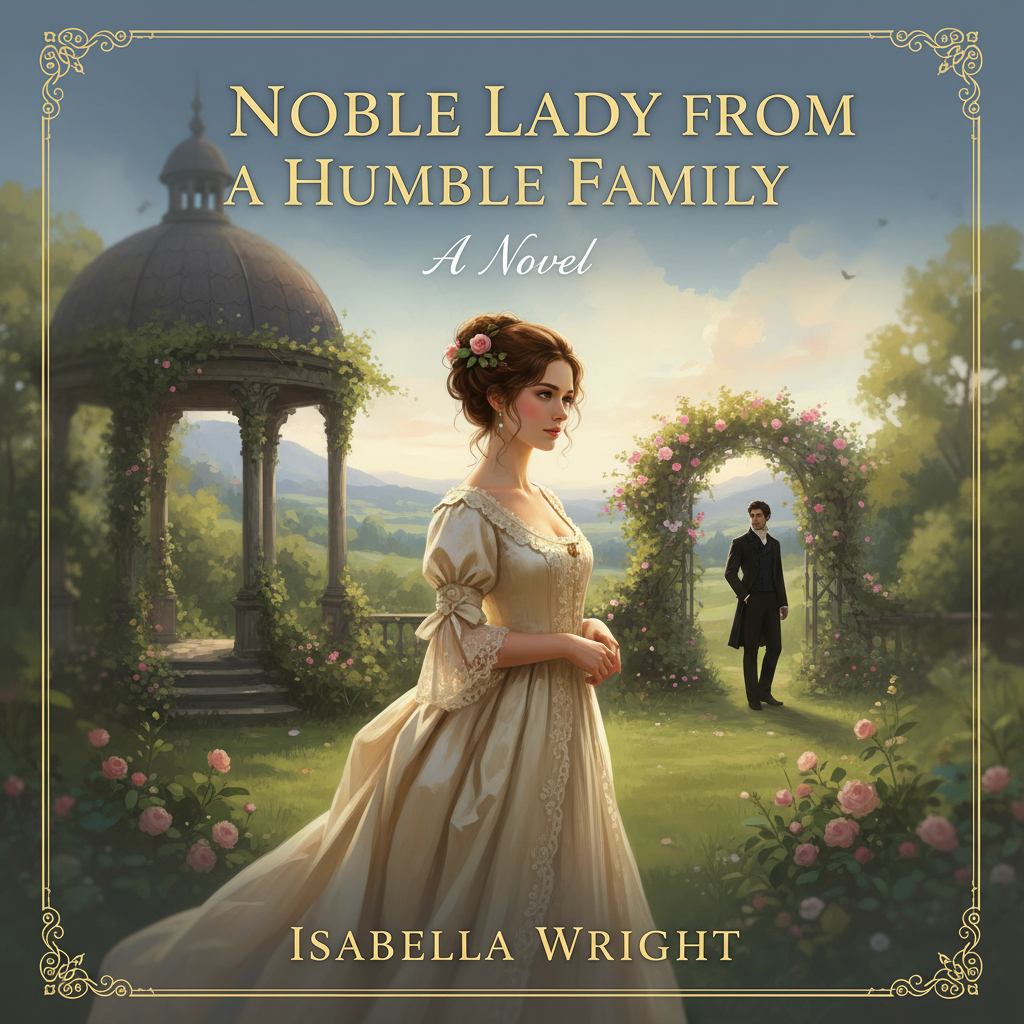
Noble Lady from a Humble Family
Zhu Xuan was born with no extraordinary luck, into a humble rural family with only a few acres of thin land and a handful of livestock. She had older brothers and sisters above, younger siblings below; every three years, two more mouths were added to the family table. Her father wandered idly about, neglecting his duties, but fortunately, her mother and grandparents worked diligently to keep the household afloat. Sandwiched in the middle, Zhu Xuan grew up half-fed, half-starved, somehow making it through. Had it not been for the benevolence of a transmigrator who instituted three years of compulsory education for all in this feudal society, the native-born Zhu Xuan’s fate would have been to marry some ordinary fellow from a neighboring village, someone like Wang Er or Li San. But at six years old, she entered the village school, and with her studies, her scholarly name changed to Zhu Xuan—Xuan, meaning “small flight.” Furious flight, hungry cry; Xuan is unstoppable. The flutter of a transmigrator’s butterfly wings created a narrow fissure in this world, a crack that led toward the ladder to the heavens, and Zhu Xuan, with luck and clarity, squeezed her way through. * That spring, the examination halls saw the addition of several female figures adorned in hairpins and skirts; for the first time, women could participate in the imperial examinations. When the top rankings were revealed, the entire court was shaken—a woman had claimed the highest honor. As the first woman in history to rightfully earn the title of top scholar, Zhu Xuan recalled her years of study, when women were still barred from the exams. Men studied for fame and fortune, to enter the emperor’s court at dusk. But in those lonely years of learning, before women were allowed to take the imperial exams, what meaning did her pursuit of knowledge hold? Perhaps it was only for the sake of bearing witness to her own path—to prove Zhu Xuan’s own way. “Besides being chosen, arranged, married off, giving birth, and passively completing the life prescribed for a woman, perhaps—just perhaps—I might, through learning and wisdom, discover other possibilities.” “Though born a humble sparrow, I too harbor the ambitions of a swan.” Alternate title: “Eternal Celebration” The daylily flourishes; eternal youth endures. May a hundred thousand birthdays know no end. —Anonymous Song Dynasty, “Eternal Celebration” Notes: 1. This story is set in an imagined world. The examination system is a blend of historical and invented elements; please do not scrutinize for accuracy. 2. The heroine is a true native, untouched by transmigration, though some supporting characters are transmigrators. 3. This is not a typical examination novel—it does not follow a fast-paced, power-up narrative. The main thread is the heroine’s journey of self-discovery and growth. 4. The early chapters dwell on family life and rural daily scenes, with a slow pace and no major golden finger; the heroine advances step by step. 5. There is a hint of romance, but it will not overshadow the heroine’s career line. She will not marry, bear children, or retreat into the inner chambers; the official pairing is largely in the background. 6. Every reader has their own taste; if you choose to abandon the book, no need to announce it. 7. The author is a novice, with limited skill and many shortcomings. Every subscriber to the official release is an angel—thank you for your understanding. 8. Regarding the word “humble origins” in the title: in early history, it referred specifically to scholar clans of low status; after the decline of the aristocracy in the Wei and Jin dynasties, it broadly referred to families of modest means. The title uses the latter meaning..
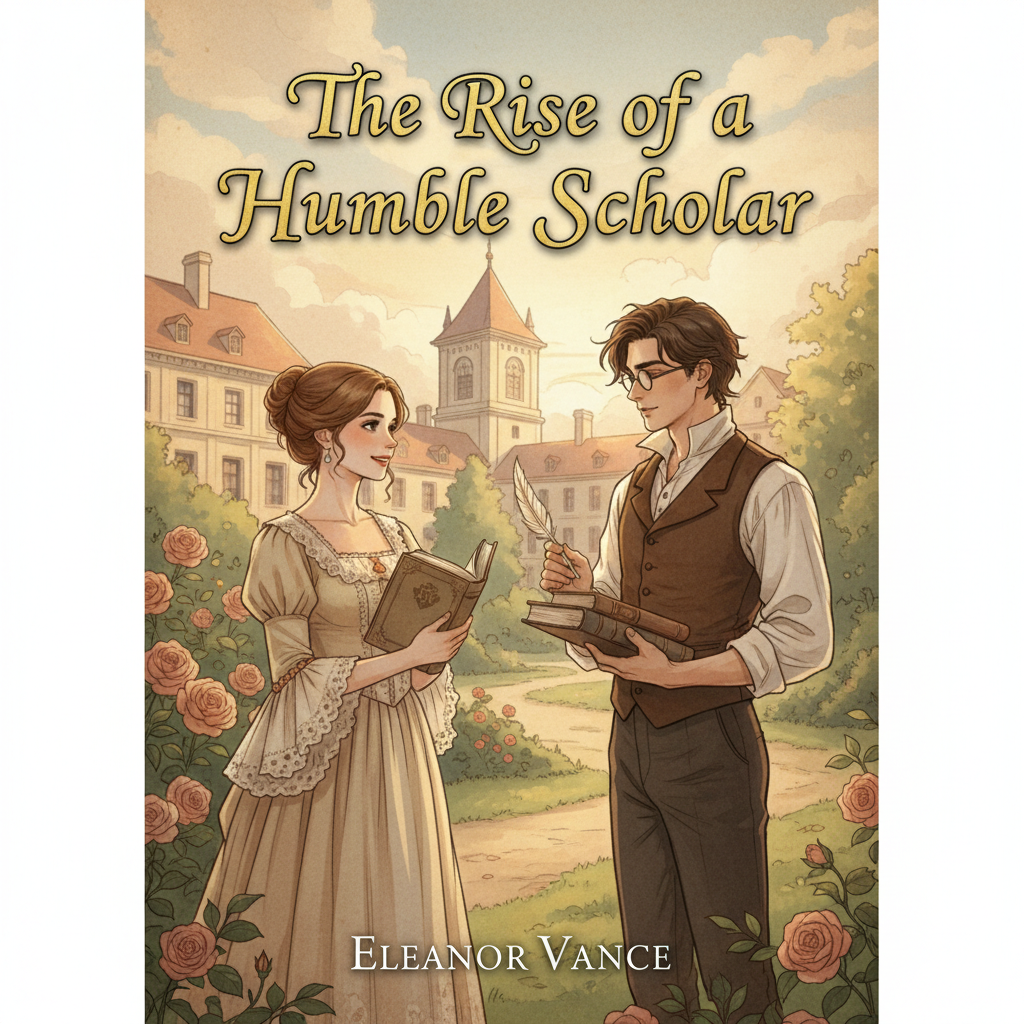
The Rise of a Humble Scholar
When Han Qing awoke, he found the world utterly transformed. There was a beautiful wife, charming and gentle; a masked assassin forever losing her way; an old beggar in white, pleading atop the city walls by day and wielding a flying sword to kill in the dead of night. It was the second year of the Qingli era—a time of great turmoil in the court, with powerful enemies at the borders and treacherous ministers within. At this moment, Han Qing was still an inconspicuous young scholar, struggling from place to place for the sake of livelihood and his future. In this life, he did not seek noble rank or high office—only that injustice would no longer stain the world. This is the tale of a humble man’s rise from obscurity..
Pillar of the Humble Family
After being transported from the modern world into a poor farming family in northern Ming China, Zhou Zhi found himself confronting a life of hardship and humiliation. The weight of poverty pressed upon him, making the pursuit of scholarly studies fraught with obstacles at every turn. In an age where scholars thrived and illustrious ministers filled the imperial court, to rise above the masses was no easy feat. Yet, where there is resolve, there is a way. This young man, still bearing the rustic air of the countryside, was determined to prove that the saying "A humble farmer by morning, a court official by evening" was not merely a legend. He would become a pillar of the Great Ming, carving his name into history through unwavering will and relentless effort..